Projects

Fifteen projects, most settled first · see the map
ForthcomingJournal of Management Information SystemsTwo field experimentsLLM / MLLM

Knowing Is Not Enough: Information Retrievability as a Precondition to Effective LLM Oversight

Fu, X., Ramasubbu, N., & Galletta, D.

Reading the system's own account of why it errs is not enough. People made to write that explanation themselves caught meaningfully more errors. And the habit wears off, a little each day, unless something puts the knowledge back within reach.

+10.6ppmore errors caught writing your own explanation than reading one (N = 400)
−2.5ppdetection lost per day of use; −1.7 with a retrieval cue
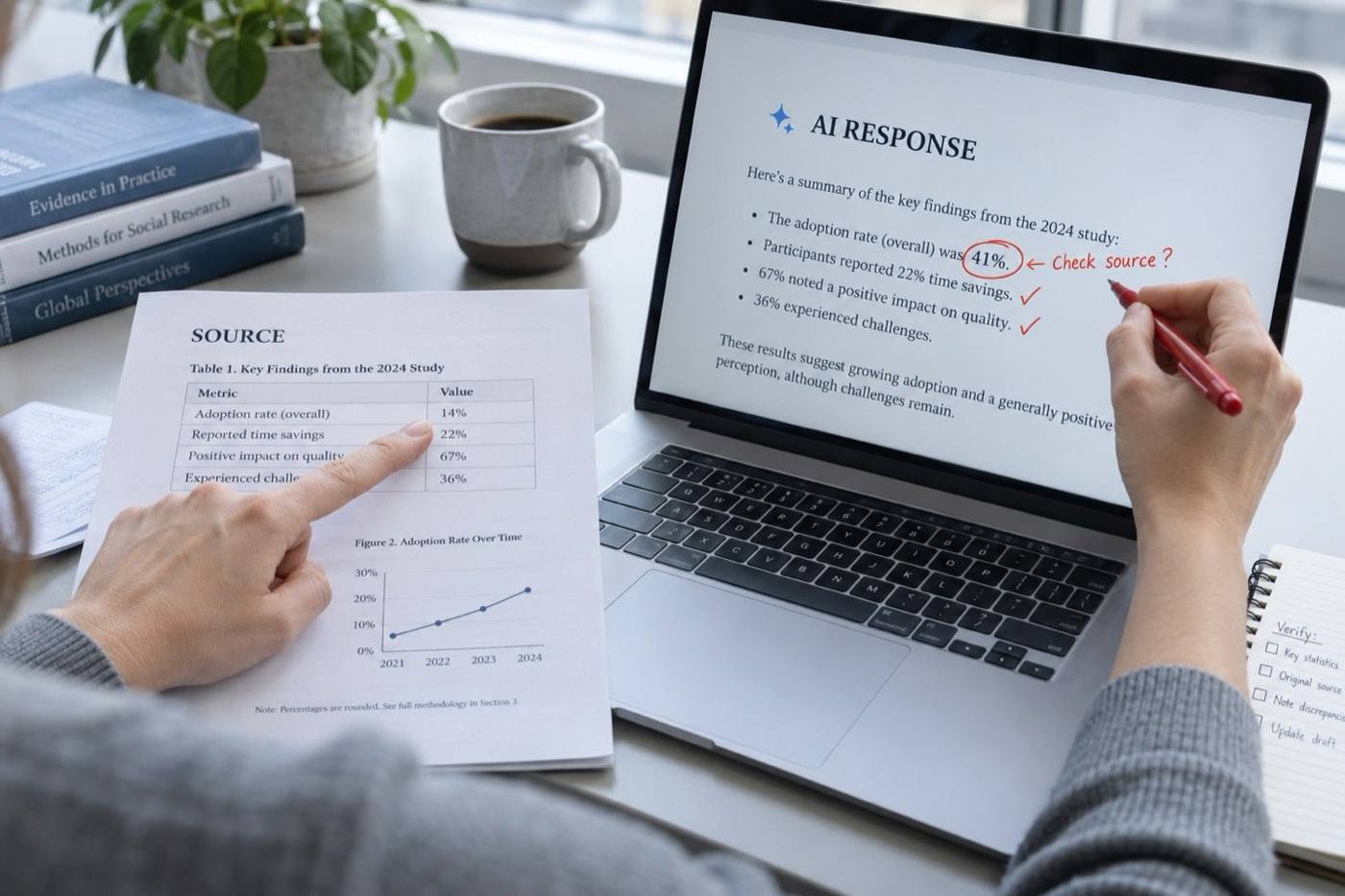
A hand annotating a printed AI response beside a laptop, marking a claim to check.
PublishedWiley ISE Book SeriesBook chapterAgentic AI

AI in Human Resource Management

Fu, X., Nah, F. F.-H., Liu, S., Zhang, K., Huang, Z., Zheng, R., Xie, W., & Yimingjiang, Y.

Chapter 14 of Advances in Human–AI Collaboration, edited by V. G. Duffy, W. Karwowski and G. Salvendy (Wiley, 2026, pp. 263–285), on what changes for the people doing the work when AI enters hiring, evaluation and development, and on which parts of the job it stubbornly should not take over.

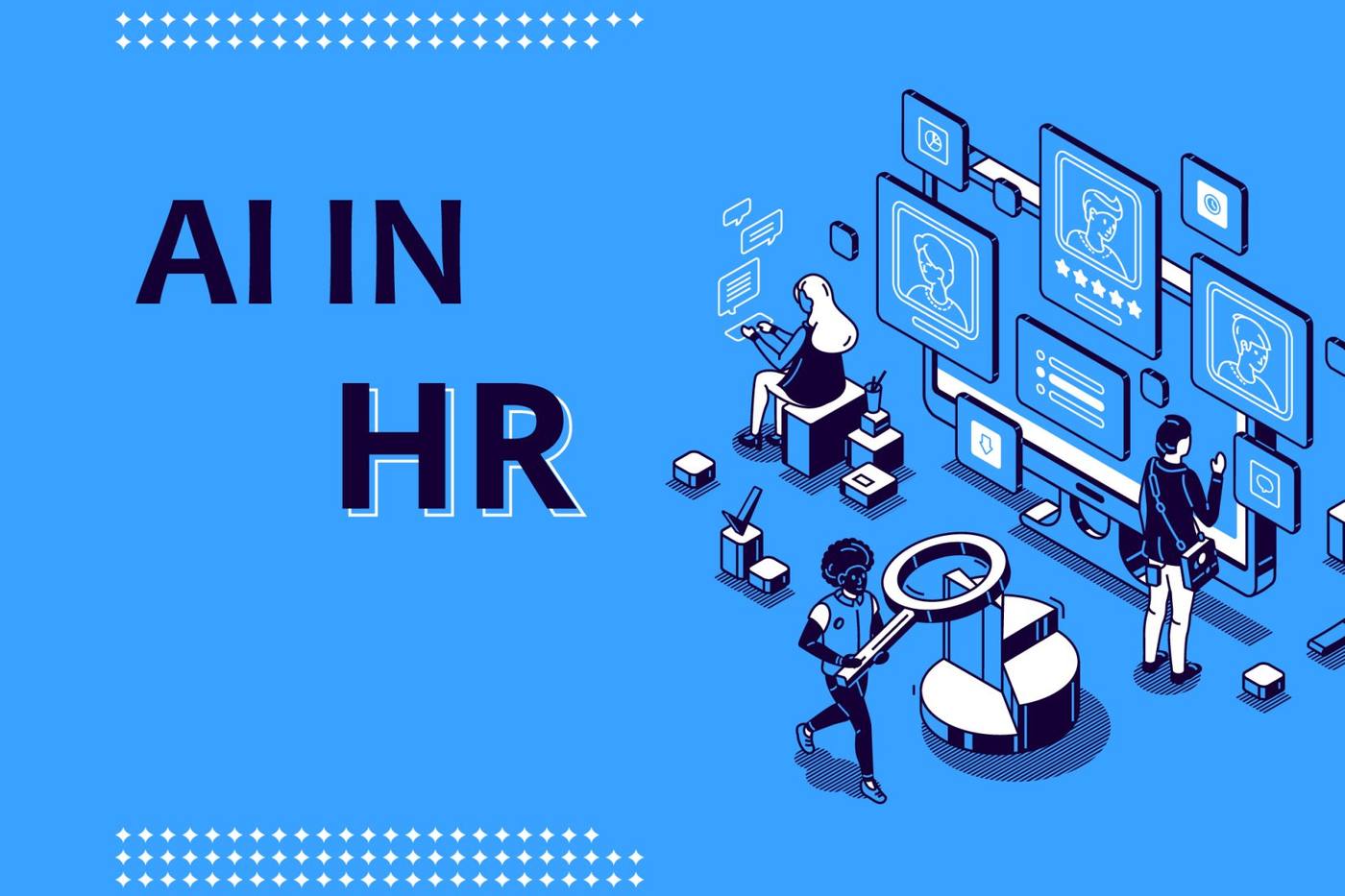
An isometric illustration titled AI in HR: candidate profiles on screens, a magnifying glass and a chart, being worked through by two people.
DeployedEngaged scholarshipDeployed systemAgentic AI

EduBot Naija

A student–faculty collaboration supported by Georgia State University

An AI tutor that teaches the curriculum in local Nigerian languages, built by students for communities the English-only version of the internet was never going to reach. A collaboration with A+ Computer Training Technology, who build and run it in Nigeria.

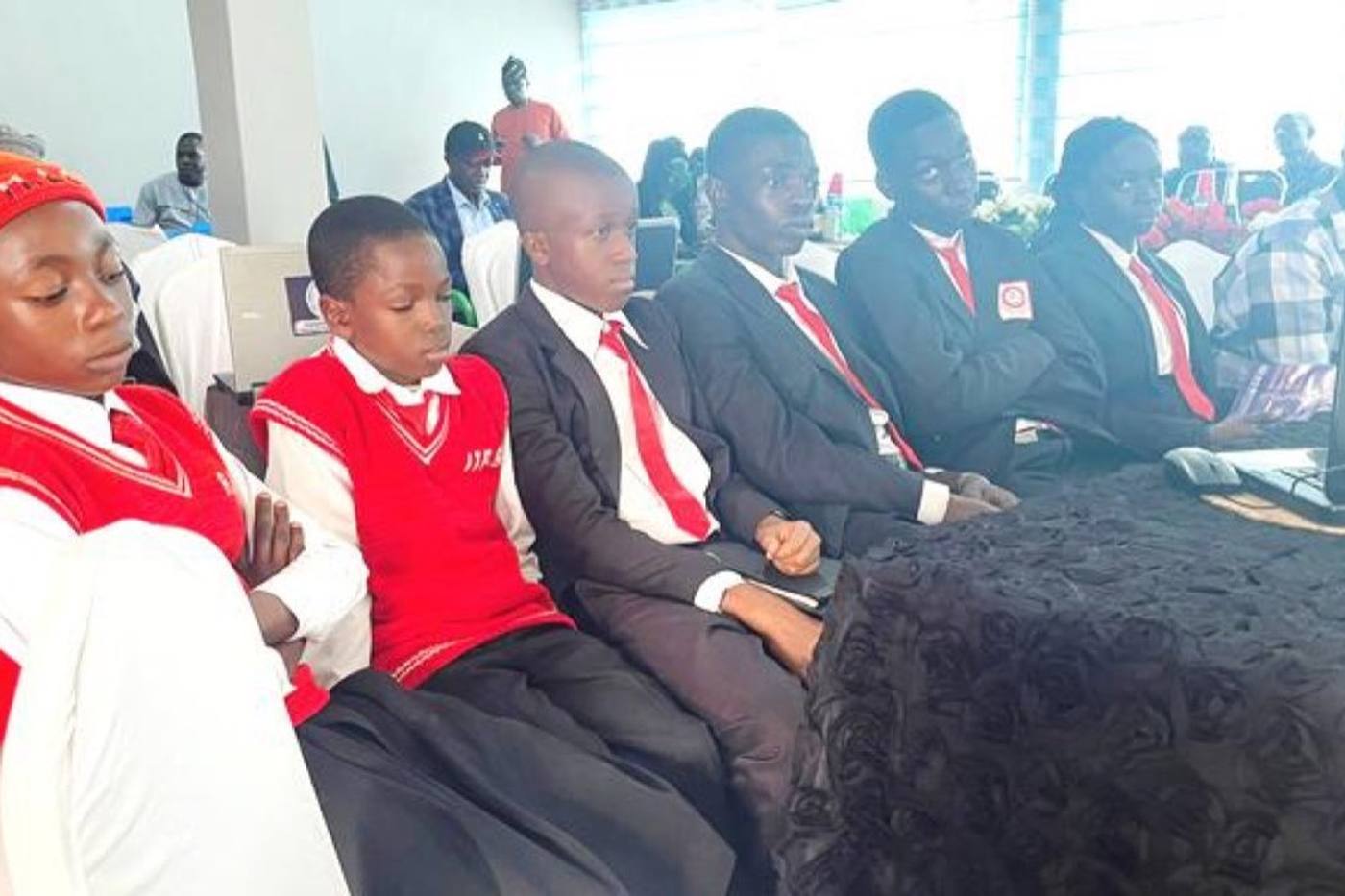
Secondary-school students in uniform seated together at the EduBot Naija launch.
Under reviewMulti-country firm panelAdjacent work

Remote Work and Firm Productivity

Fan, C., Fu, X., & Ramasubbu, N.

Firms that went remote early and kept it grew sales faster by the third survey round, about a year on. Going remote late, or going and then retreating, bought nothing. And more remote was not better: performance rose with the remote share up to a point, then fell.

+7.8ppfaster sales growth for early, persistent adopters
3,199firms across 19 countries
An empty boardroom at dusk, a conference speakerphone on the table and a city skyline beyond the glass.
Under reviewTwo randomized experimentsLLM / MLLM

Detecting AI Errors: Transfer of Training and Reflective Practice

Fu, X., Ramasubbu, N., & Galletta, D.

A warning that makes you reflect while you work lifts decision quality far above working with no AI at all. In the field experiment, the same information delivered as an after-the-fact review left people below the no-AI baseline. When the checking happens matters more than what the checking says.

0.90–0.95with reflection during the task
0.45with no AI at all
0.34with the review afterwards
An isometric illustration of people inspecting code on a laptop with a magnifying glass over a flagged defect.
Working paperNatural experimentLLM / MLLM

AI Authenticity: How AI Disclosure and Authenticity Signals Shape Crowdfunding Valuation

Yang, J., Fu, X., Ramasubbu, N., & Fan, C.

A platform made AI disclosure mandatory and funding fell across it. Projects that had built their pitch on human craft were shielded from the general suspicion and punished hardest when they actually disclosed. Authenticity works as armour right up until the moment it is contradicted.

12,521projects around the disclosure mandate
~1 in 10of those that could disclose actually did
A woodworker’s bench with a hand-turned bowl and shavings, beside a laptop showing the listing for it.
Working paperComputational field studyLLM / MLLM

Epistemic Calibration Model

Rai, A., Fu, X., & Xia, Y.

Ask a room of people the same programming question and you get genuinely different answers. Ask a model the same question many times and the answers cluster, and newer models cluster tighter, not looser. Broadening the prompt, raising the temperature and keeping prior answers out of the context pull some of the variety back, but nowhere near all of it.

375Stack Overflow questions, sampled after every training cutoff
2.4–6.8%of the narrowing those levers recover; still far more alike than human answers
A lightbulb made up of many small differently coloured figures.
Under reviewRevelatory case studyEmbodied AI

Embodied AI and Shop-Floor Workers

Fu, X., Mathiassen, L., & Ramasubbu, N.

A U.S. auto-glass plant put embodied AI on its shop floor. Workers came out of it describing their jobs as more meaningful. And the ones who grew the most, taking on more control and more responsibility at once, were the least likely to advance. The firm's advancement criteria had been built for a more divided shop floor, and had no category, and no role, for people whose work now crossed all of them.

A robotic arm moving a large sheet of flat glass along a conveyor in a bright glass plant.
Under reviewArchival panelLLM / MLLM

Managerial Investment Expectations and Real Estate Investment

Bond, S., Devine, A., Fu, X., & Zheng, S.

What managers say they expect about the future, read out of what they tell analysts on earnings calls, and what their firms actually go on to spend.

A poster reading AI impact on NYC real estate over a stylised Manhattan skyline.
Under reviewField experimentEmbodied AI

Service Robots in Hospitality: Spatial and Data Privacy in Boundary-Spanning Encounters

Zhang, A., Fu, X., Maruping, L. M., & Liu, S.

When a robot rather than a person brings something to a hotel-room door, guests protect two kinds of privacy in opposite directions at once: they open the door wider and go quiet. Physical guard drops, informational guard goes up. Any service design that treats “privacy” as one dial will get one of them wrong.

−0.79spatial guard, the door opens wider
+1.03informational guard, the guest says less
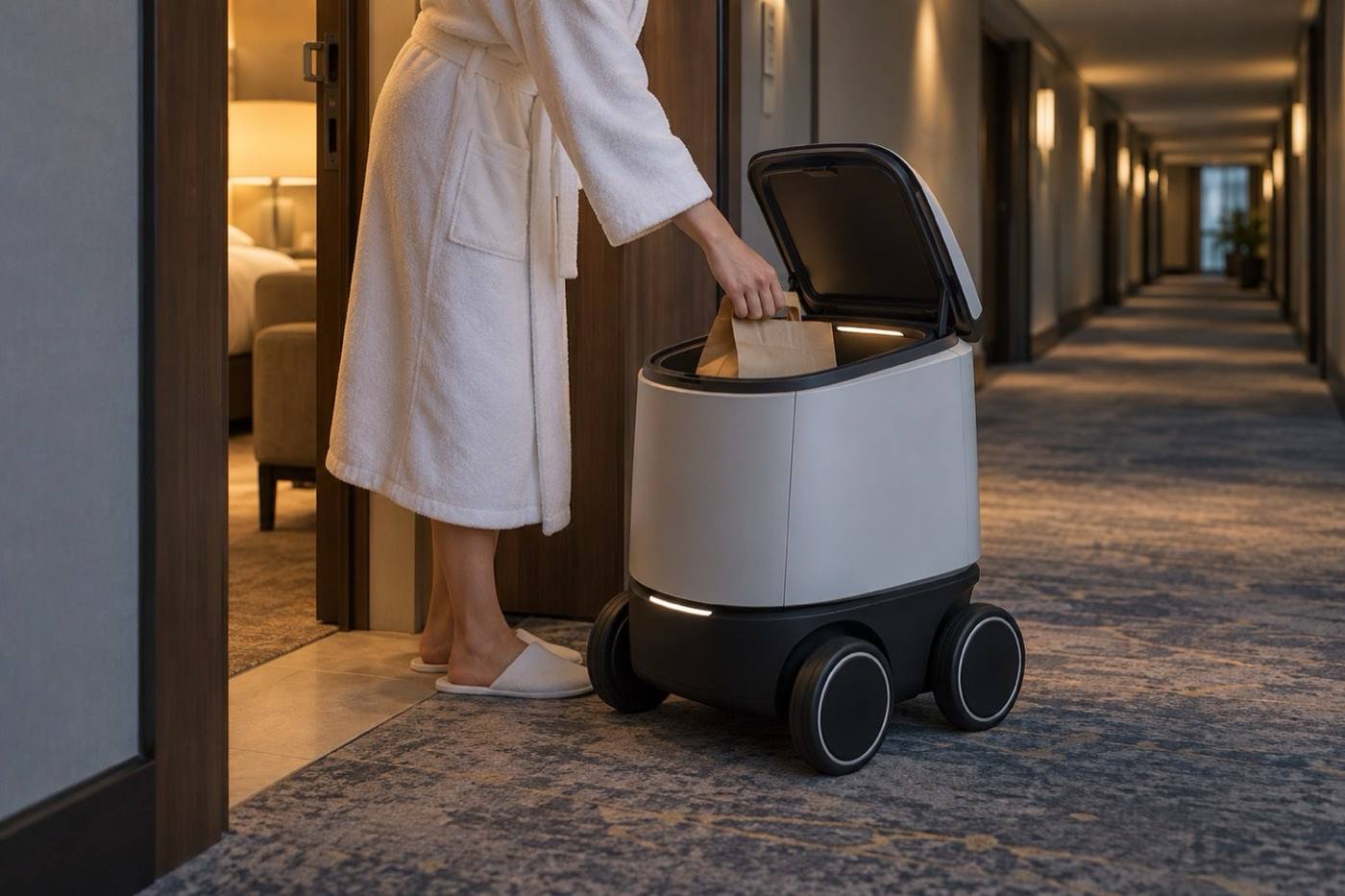
A hotel guest in a white robe reaching into the open lid of a delivery robot in a carpeted corridor.
Under reviewField quasi-experimentAgentic AI

When Better Opportunities Backfire: Worker Responses to Parallel AI Deployment

Fu, X., Luo, S., Ramasubbu, N., Shen, P., Wang, X., & Wang, Y.

An insurer handed its cold calls to an AI voice agent, leaving human agents a better set of leads to work. Their conversion on the day's first calls fell. Expecting something better next makes the thing in your hand easier to drop: early in the shift agents spent measurably less time on each promising lead, and were readier to push it back to the shared queue.

−4.5ppfall in conversion on the first calls of the day
−13%less time spent on those early high-intent calls
567koutbound calls around the AI routing change
A humanoid AI head in profile beside a woman wearing a call-centre headset, a speech waveform between them.
Under reviewFull-text census and experimentsAgentic AI

Generative Stimulus Sampling: Relational Randomization for Repeated-Exposure Digital Interventions

Fu, X., Ramasubbu, N., Maruping, L. M., Wang, G., Xie, J., & Wang, K.

Repeat a message and the effect fades, but is that the intervention wearing off, or just that one wording? Generative stimulus sampling builds an audited pool of differently worded versions that all carry the same intervention, then randomises not only which one a person sees but how far it moves from the one they saw last. The distance between one message and the next becomes a variable you set, rather than an accident of the materials.

425randomized experiments in the census
53%re-expose the same participant to the same stimulus
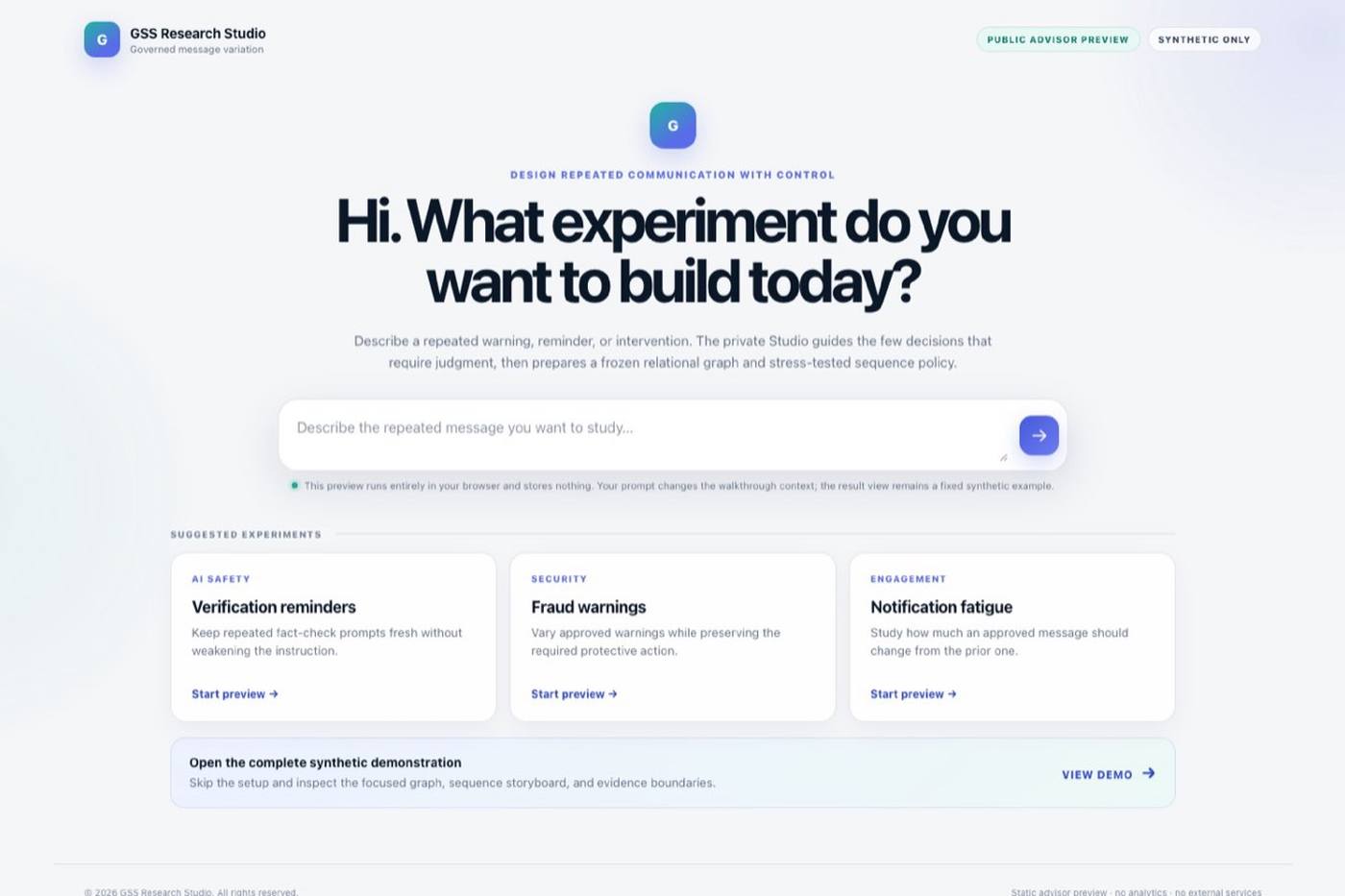
The GSS Research Studio public preview, asking what repeated-message experiment to build.
In progressSwitchback field experiment, with a pre-registered lab replicationAdjacent work

The Cost of Conformity: How Social Signal Alignment Backfires on Identity-Expressive Creative Platforms

Fu, X., Ramasubbu, N., Maruping, L. M., & Janansefat, S.

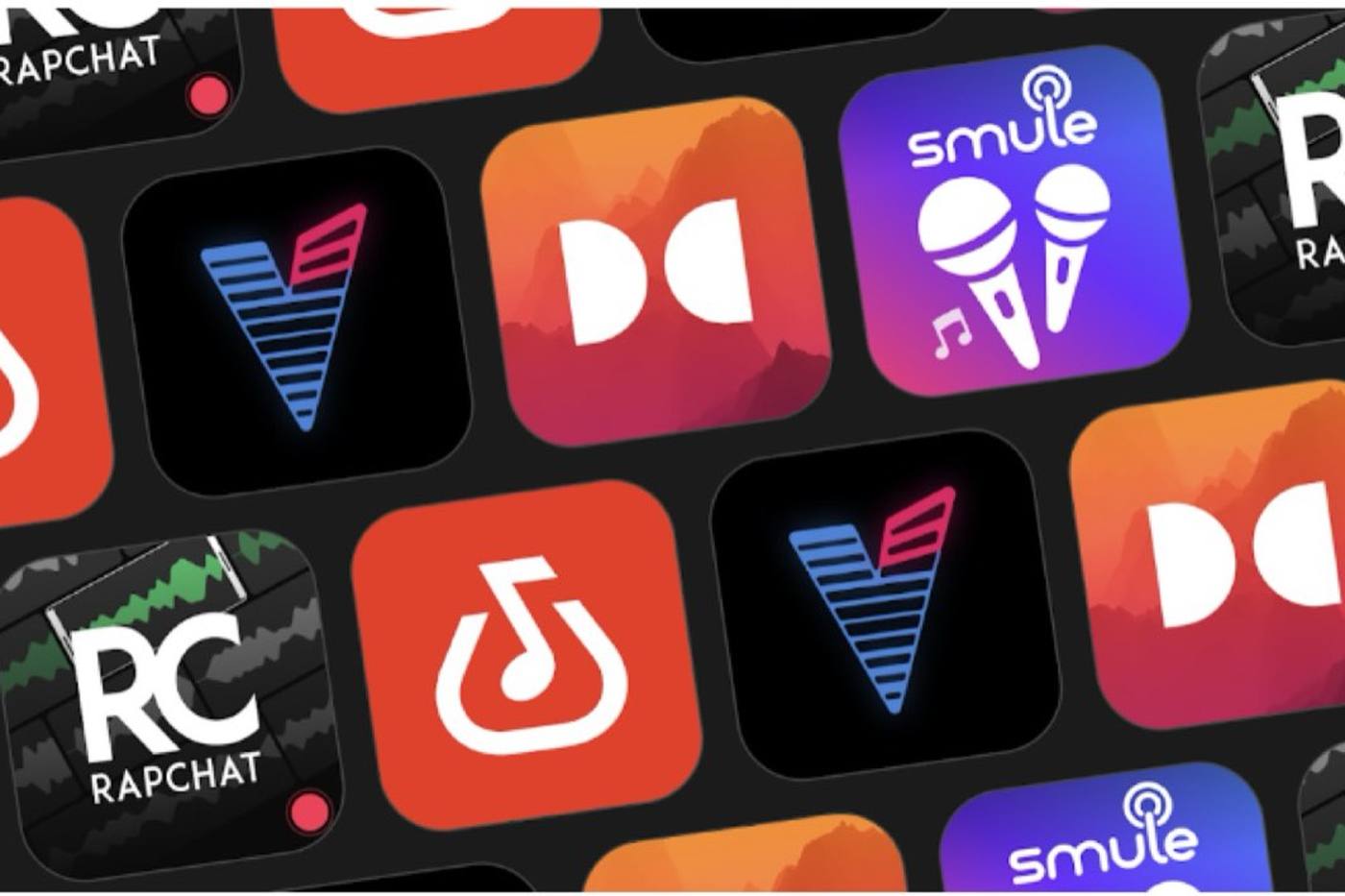
A switchback field experiment on a rap-creation platform, where anything you post carries your name. The design intuition is that showing people more of what is popular encourages them to make something. It does the reverse: when the signal from a user’s friends and the signal from the platform agree, recording falls off. Signals that disagree send browsing and preparation sharply up, and almost none of it turns into a finished track. The drop lands hardest on the platform’s most active creators, the ones it can least afford to lose.

A tiled pattern of music-making app icons.
In progressIn progressAgentic AI

Need Assessment in Online Credence Services: How AI Triage Reshapes Demand Allocation

Fu, X., Chen, L., Geng, S., Hsieh, J. P. A., Xie, J., & Zhang, W.

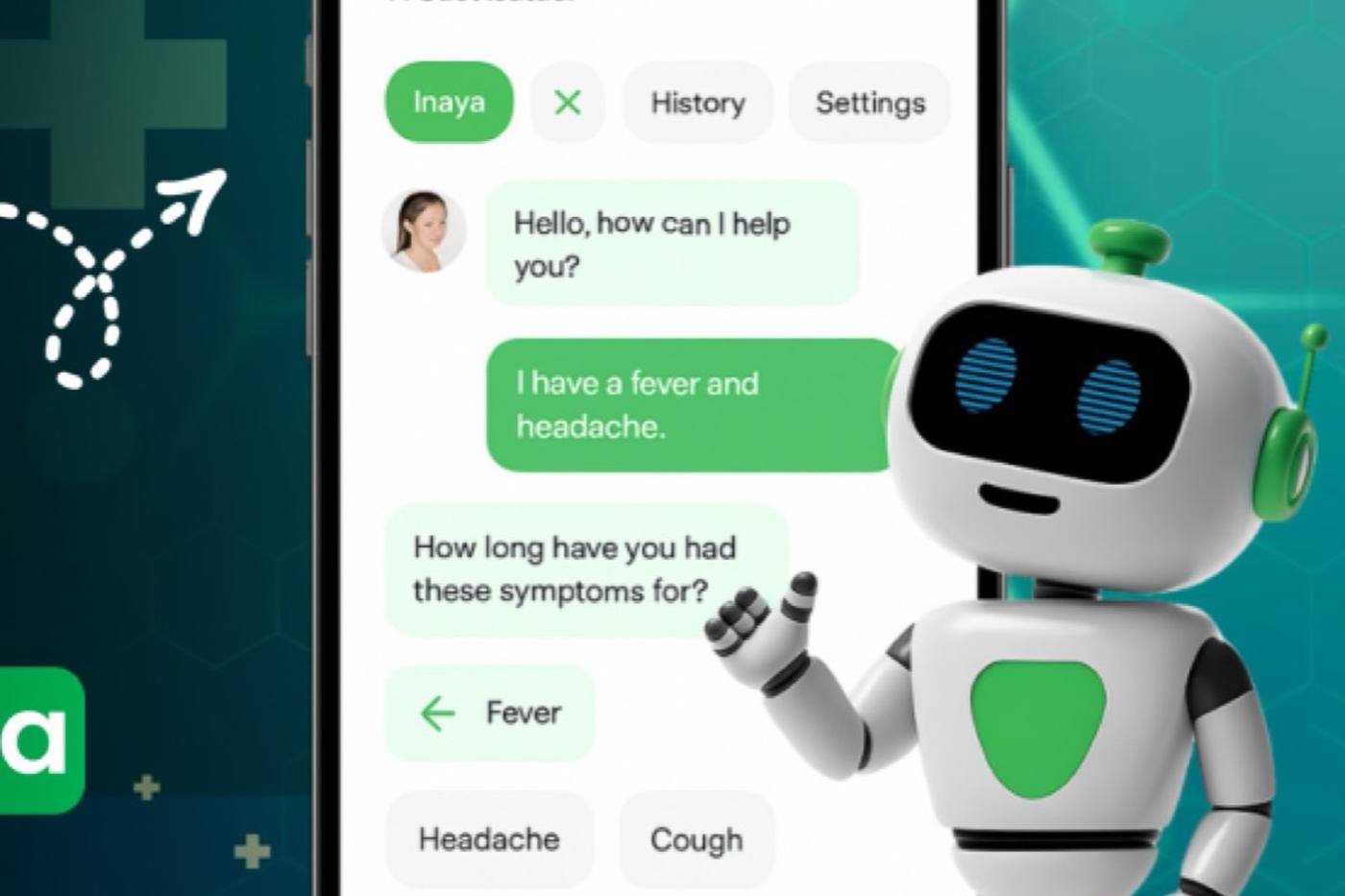
When customers cannot judge the service they are buying (a diagnosis, a legal opinion, a repair), putting a model at the front door decides who reaches which expert. That routing is an allocation decision wearing the costume of a convenience feature.

A phone showing a healthcare chatbot triaging a patient’s symptoms, with a robot mascot beside it.
In progressClinical team studyEmbodied AI

Robotic Surgery

Jing, X., Fu, X., & Liu, S.

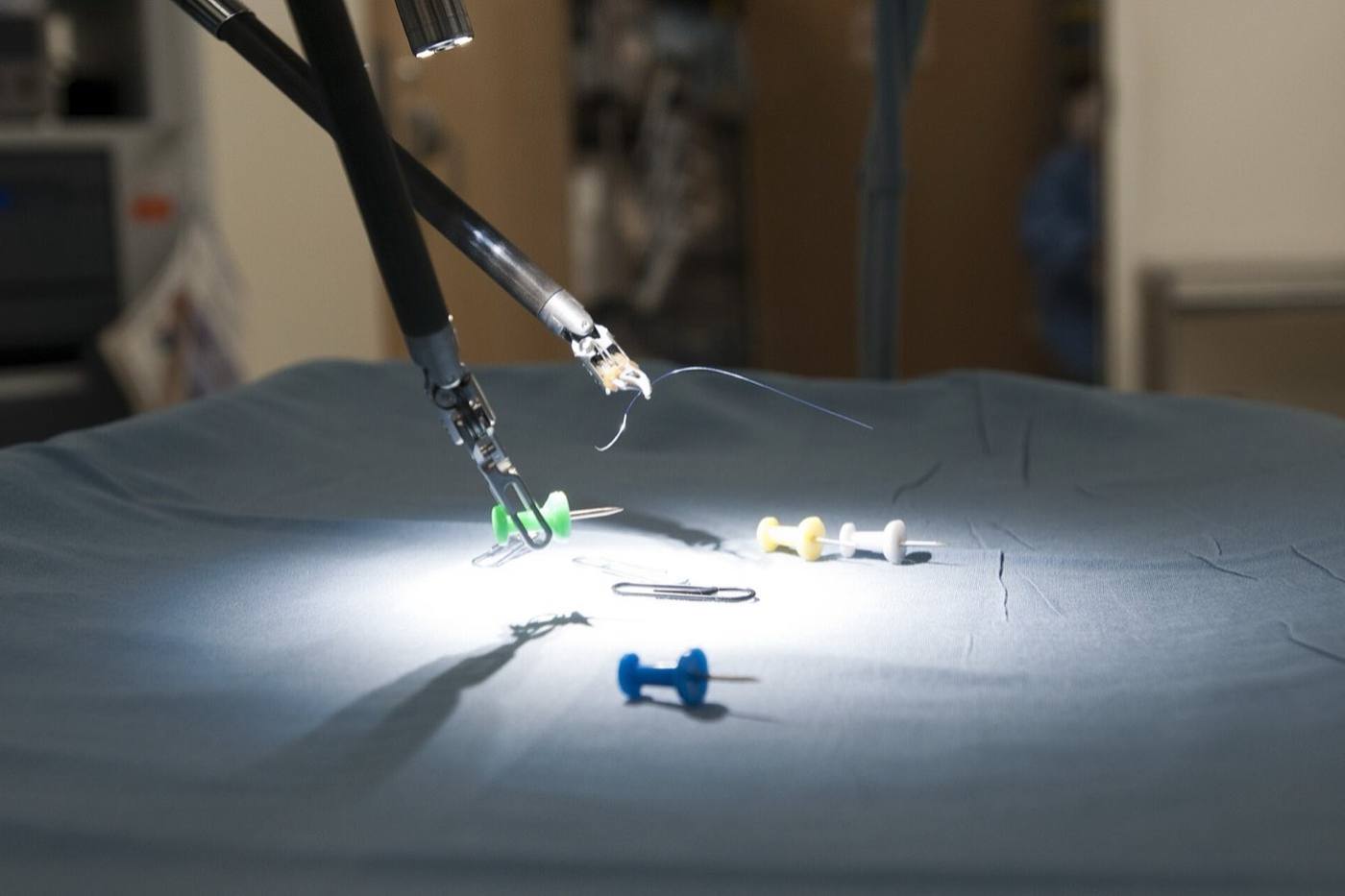
A surgeon drives the console, but an operating theatre is a team. When a robot joins the table, the scrub nurse, the anaesthetist and the assistants all have to learn a new set of cues from one another: where to stand, when to speak, what a paused arm means. This project asks how that shared choreography gets learned, and how much of the surgical outcome rides on the team settling into it rather than on any one person's skill at the controls.

Robotic surgical instruments manipulating small objects on a surgical drape under theatre lights.

Work under review is listed without a journal name until a decision is final. Conference papers and service are on the publications page.

How students get involved in these →